Learning to tell the weather story
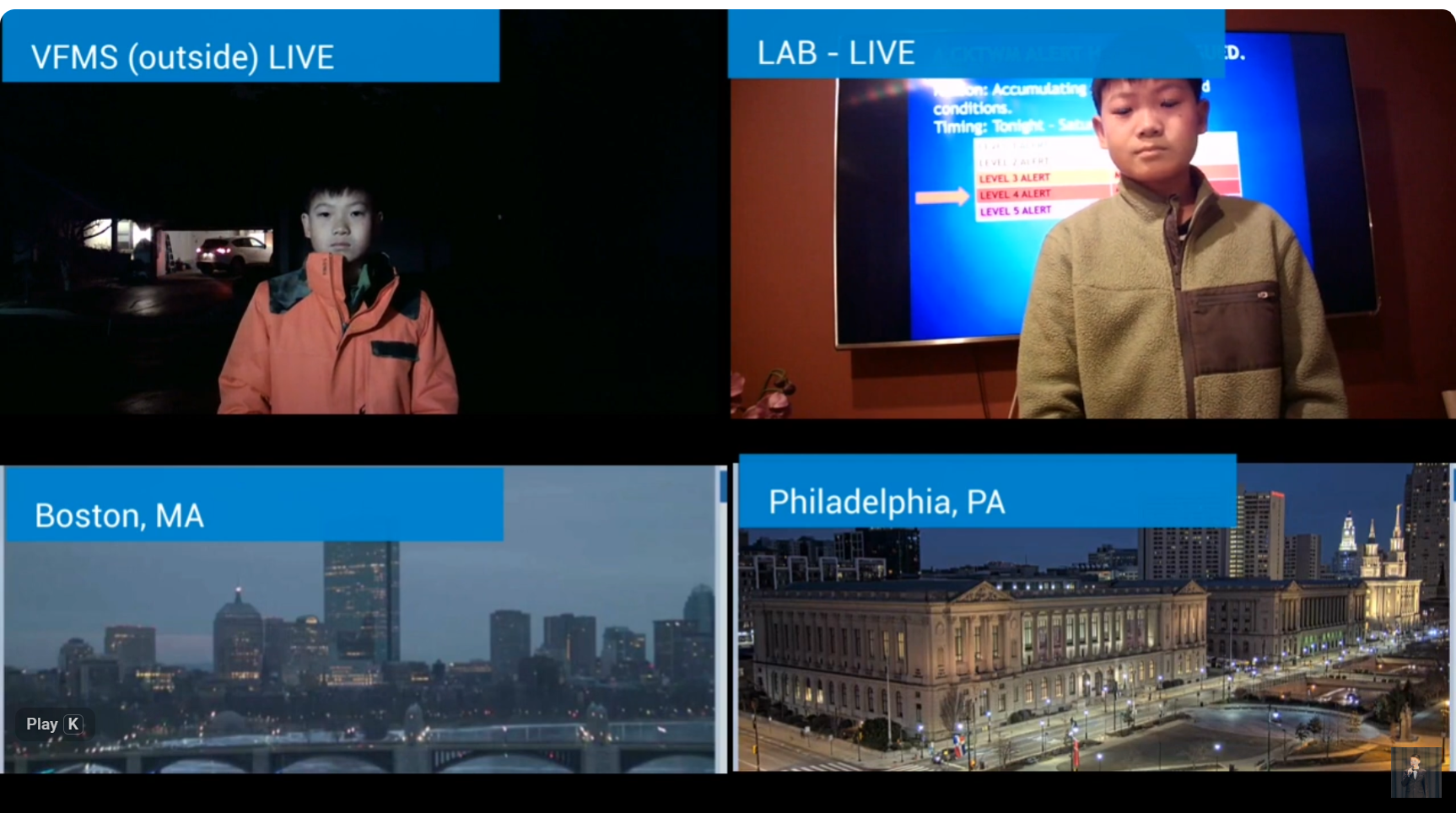
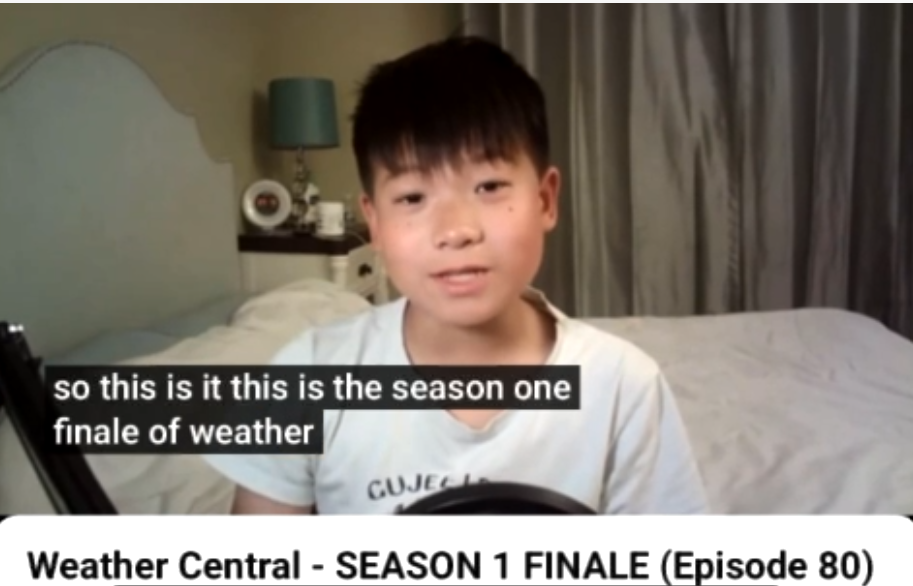
Weather Central began as a place to practice forecasting and explaining the atmosphere on camera. Season 1 grew to 80 episodes, and each forecast was another chance to make the science clearer.
I began making weather forecasts as a child. That first curiosity grew into a love of science, broadcasting, and helping people understand the world around them.
Explore my journey
2021–22Weather Central begins
2025Research at Stroud
2026Student Emmy recognition
Forecasting taught me to look closely at evidence. Research gave me a way to ask deeper questions about the physical world and the environment around me.

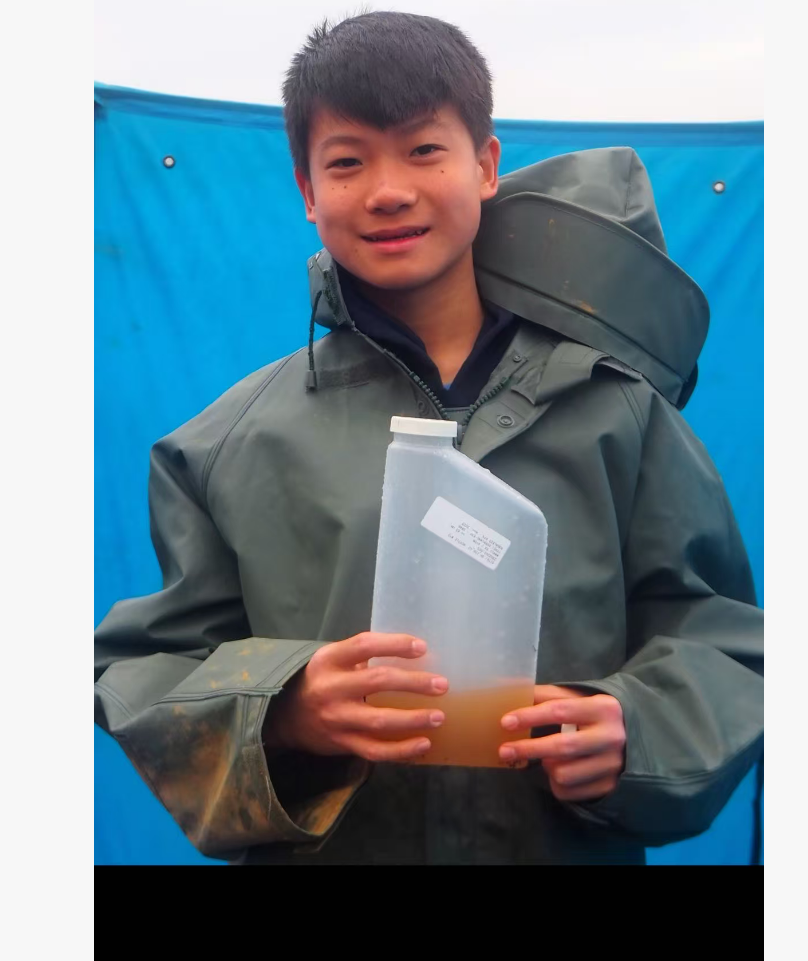
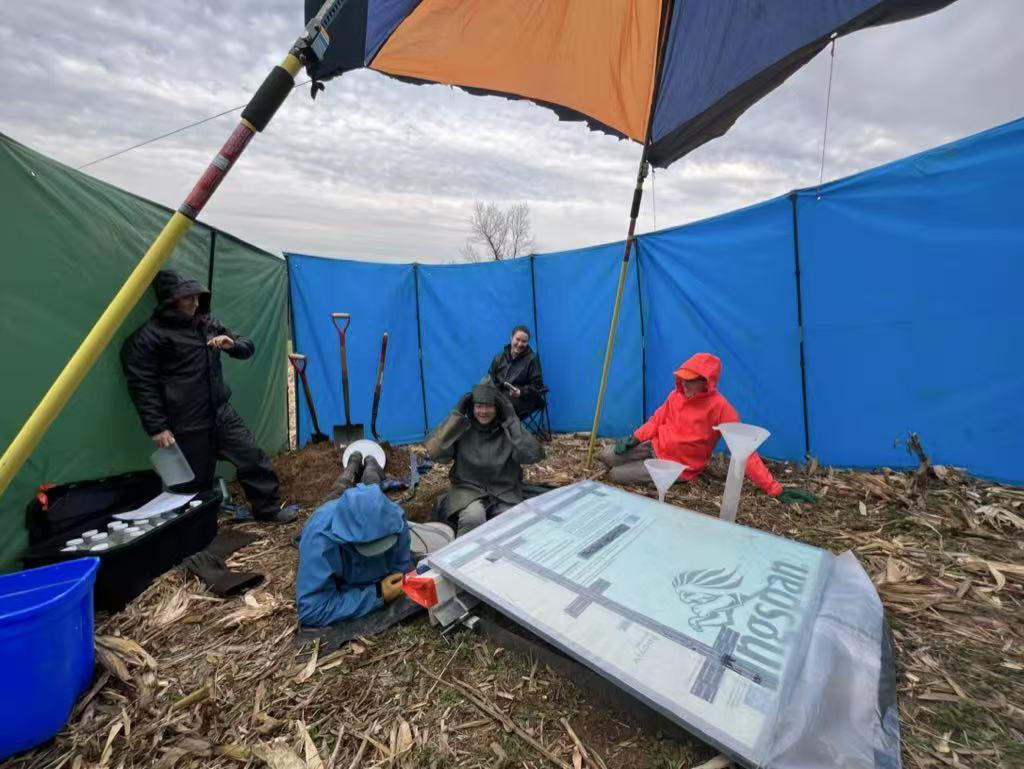
My research examined climate change induced rainfall intensification and agricultural runoff mitigation in southeastern Pennsylvania. The project connected local waterways with a broader question: how do we respond when rainfall patterns change?
View the research poster
“Shake it off!” Understanding vibration-induced friction reduction in granular systems.
This internship extended my research beyond atmospheric science into another physical system.
From the first Weather Central episodes to live school broadcasts, research, and community storytelling, the work has grown with me.
Weather Central began as a place to practice forecasting and explaining the atmosphere on camera. Season 1 grew to 80 episodes, and each forecast was another chance to make the science clearer.
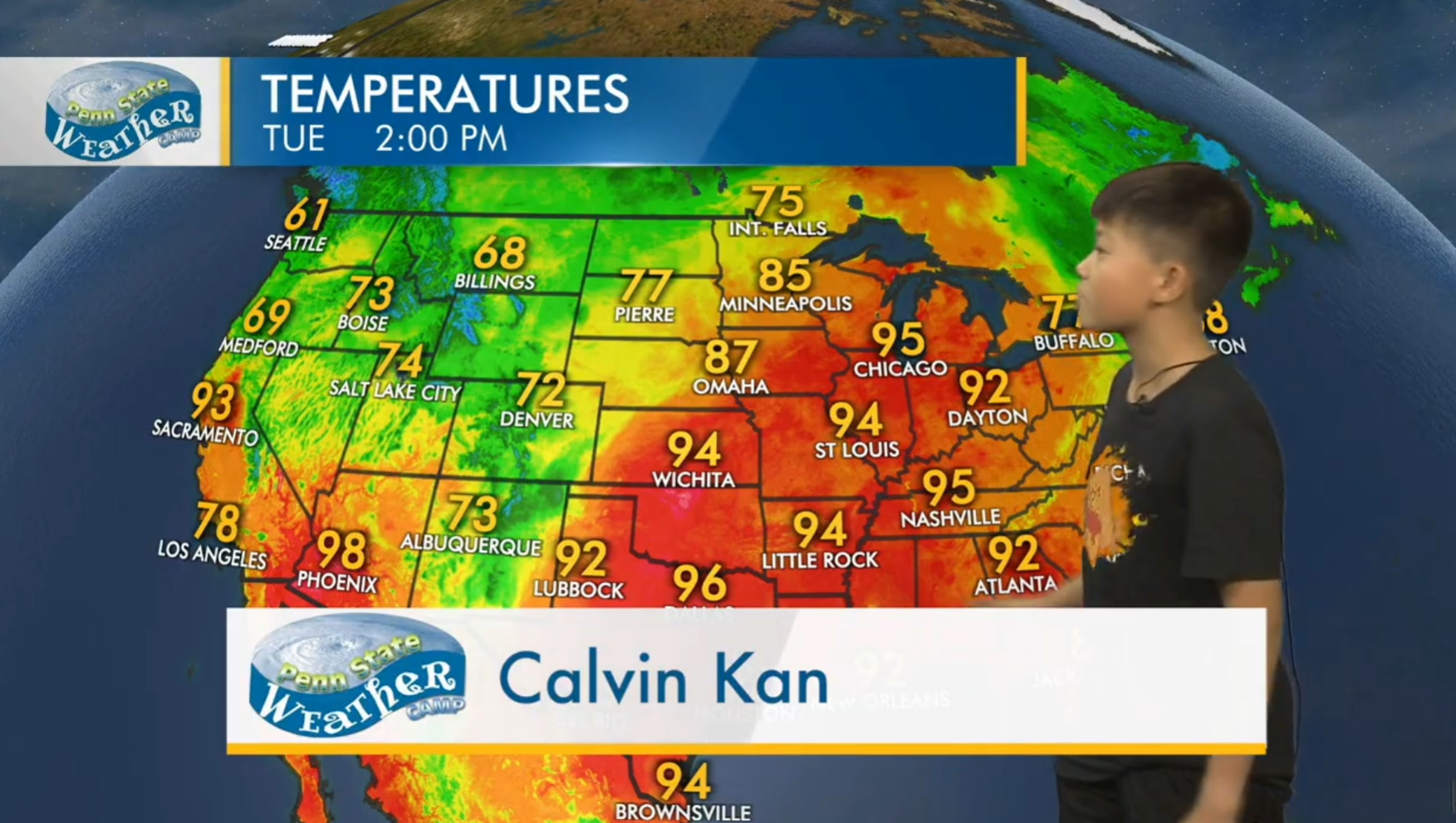
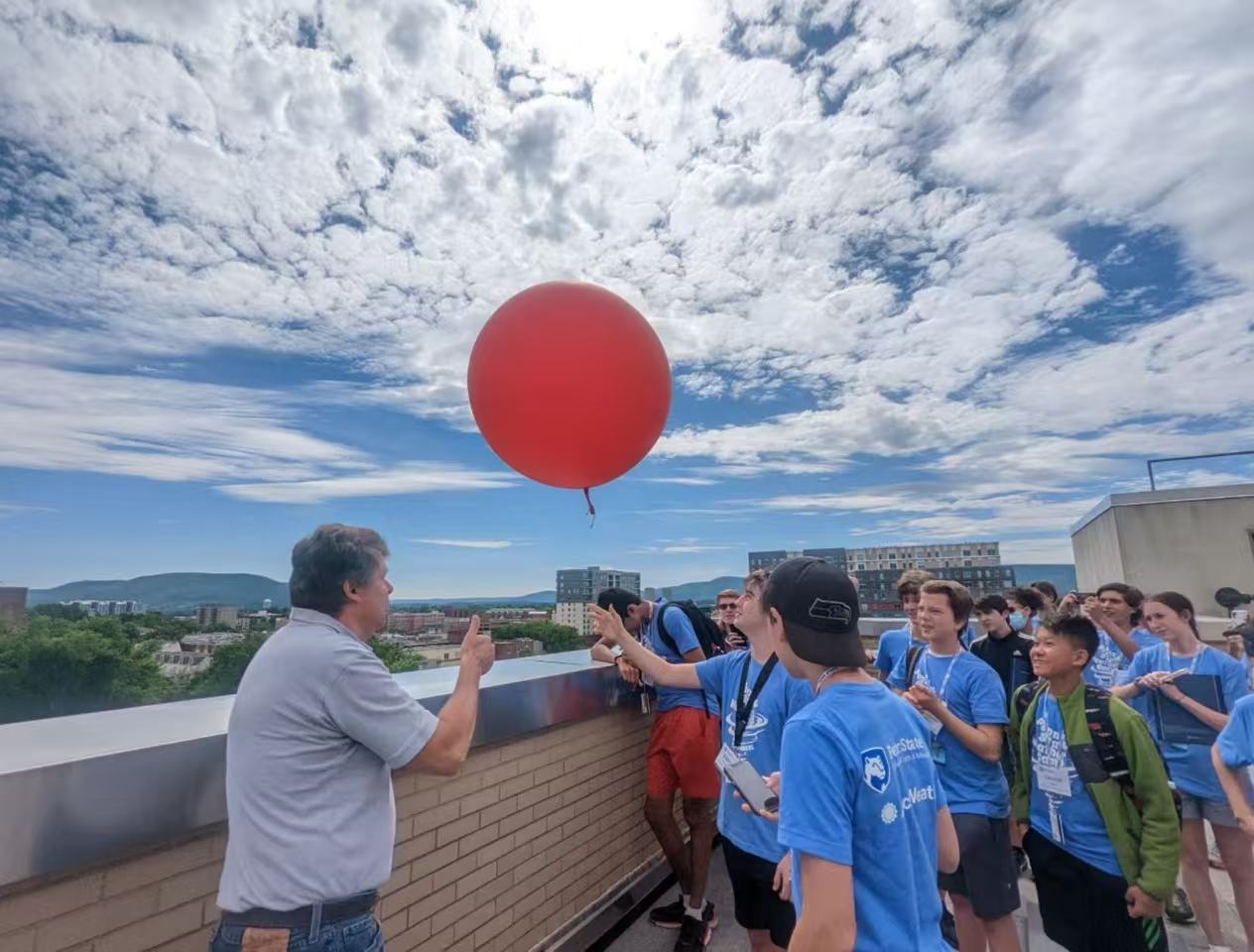
At Penn State’s weather summer camp in July, I learned alongside other young weather enthusiasts and delivered a weather broadcast. Being in a studio made the connection between meteorology and communication feel tangible.

Season 2 added 56 episodes. Regular broadcasts, a winter weather installment, and later evening reports pushed me to explain timing, risk, and uncertainty more clearly.

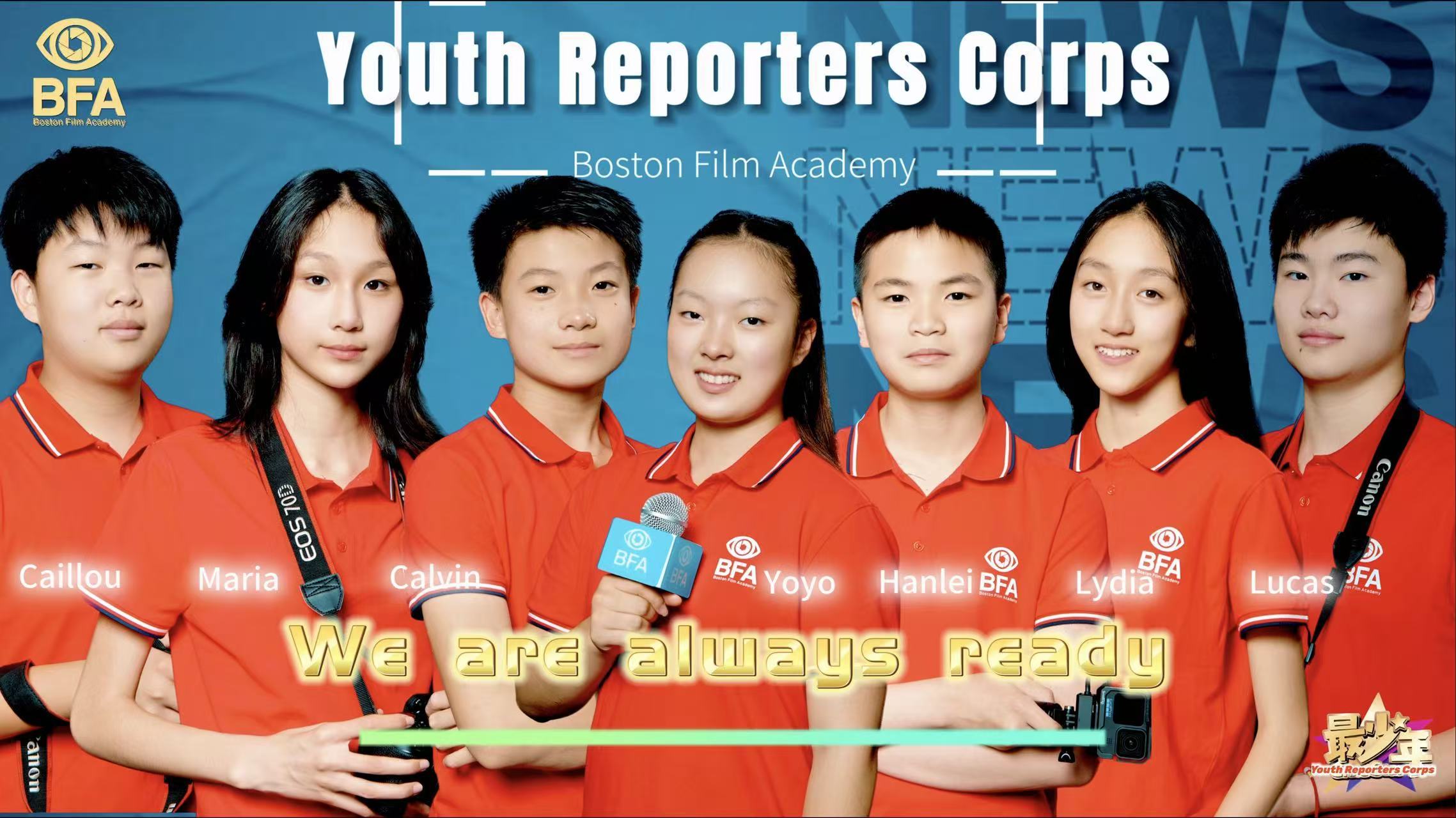
Boston Film Academy’s journalism boot camp in July 2023 opened another side of storytelling. At Conestoga, I went on to make school news packages and live weather segments. I also continued special evening weather reports.

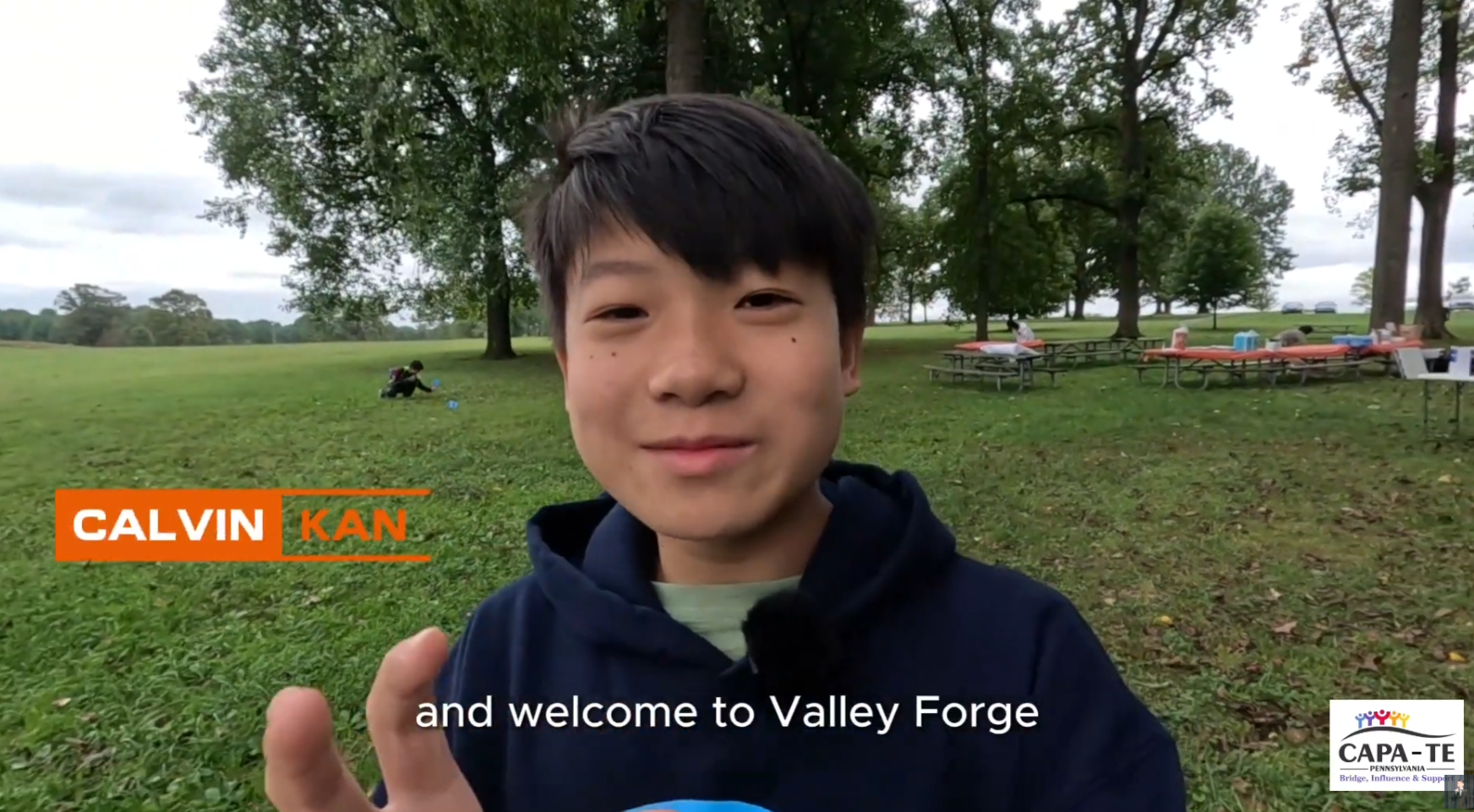
Through CAPA-T/E and other community events, I reported on celebrations and local stories. Documentary work let me bring the same research and explanation skills to history and culture.

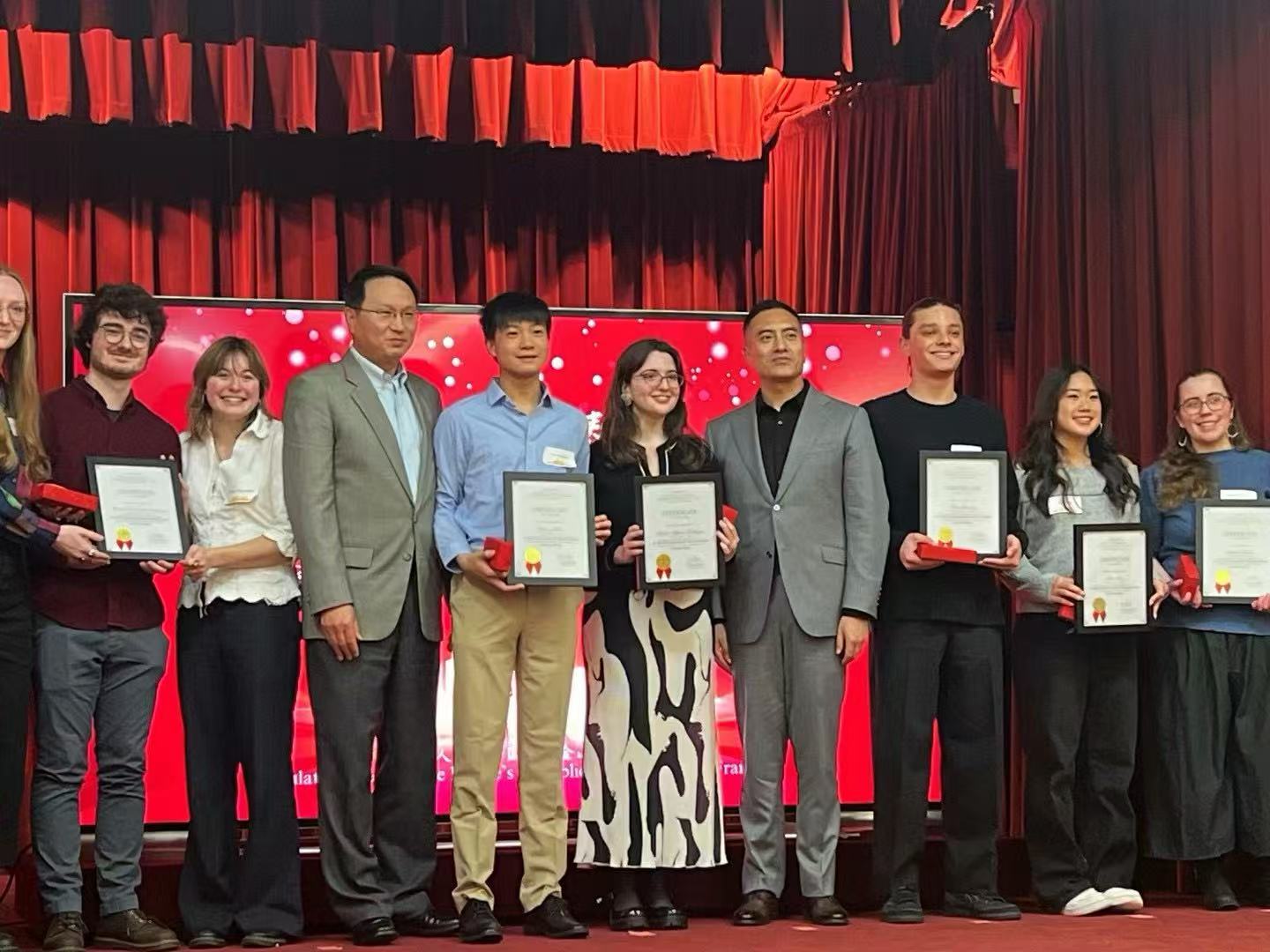
Second prize in the “My Trip to China” international short video contest, and first prize in the CAPA-T/E Youth Program Initiative. These awards reflected two parts of the same interest: making stories that help people see one another more clearly.

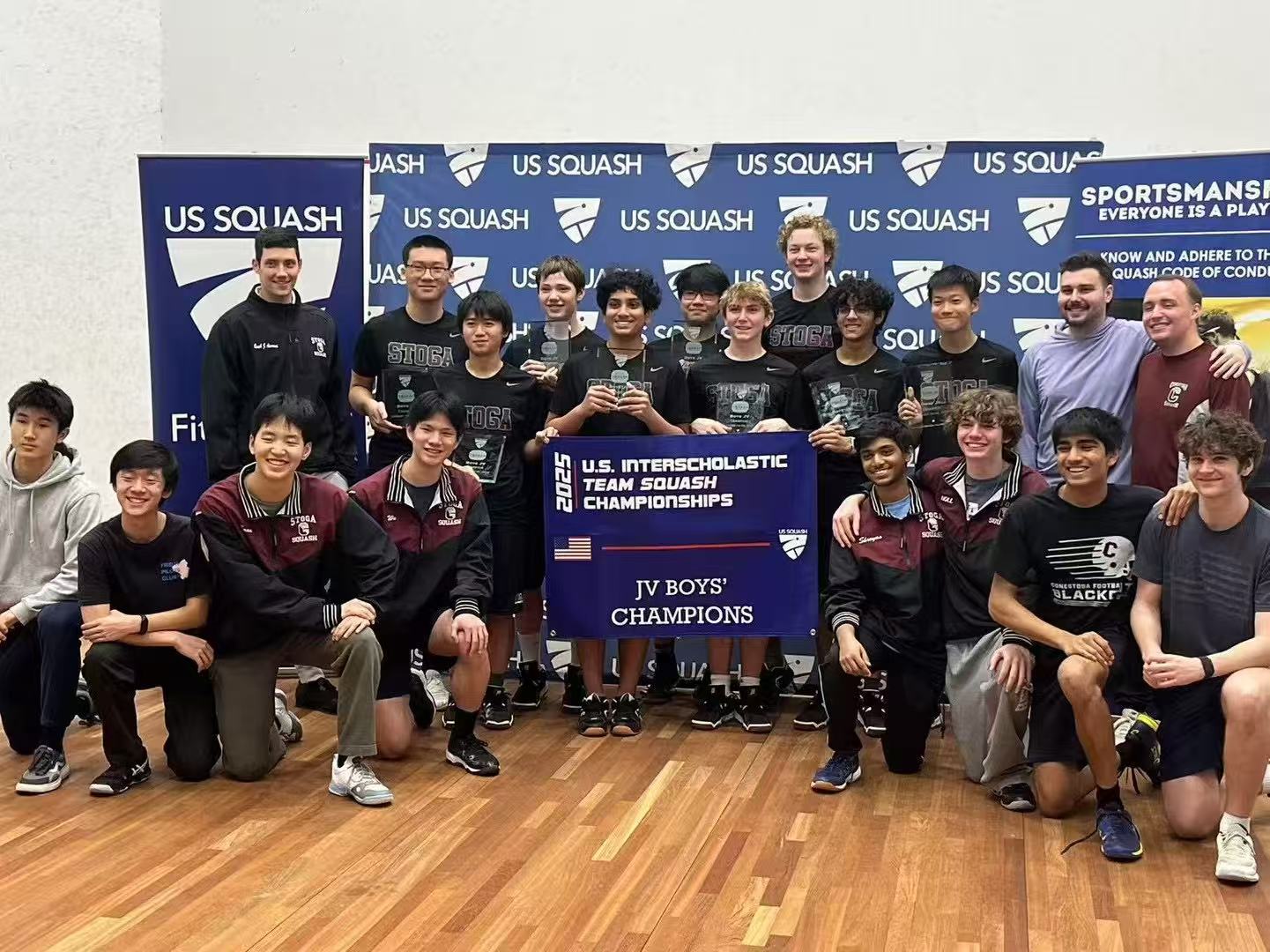
I served as co-captain of the Conestoga High School squash team during the 2024–25 and 2025–26 seasons. School broadcasting also kept me close to the daily work of preparing a live forecast.

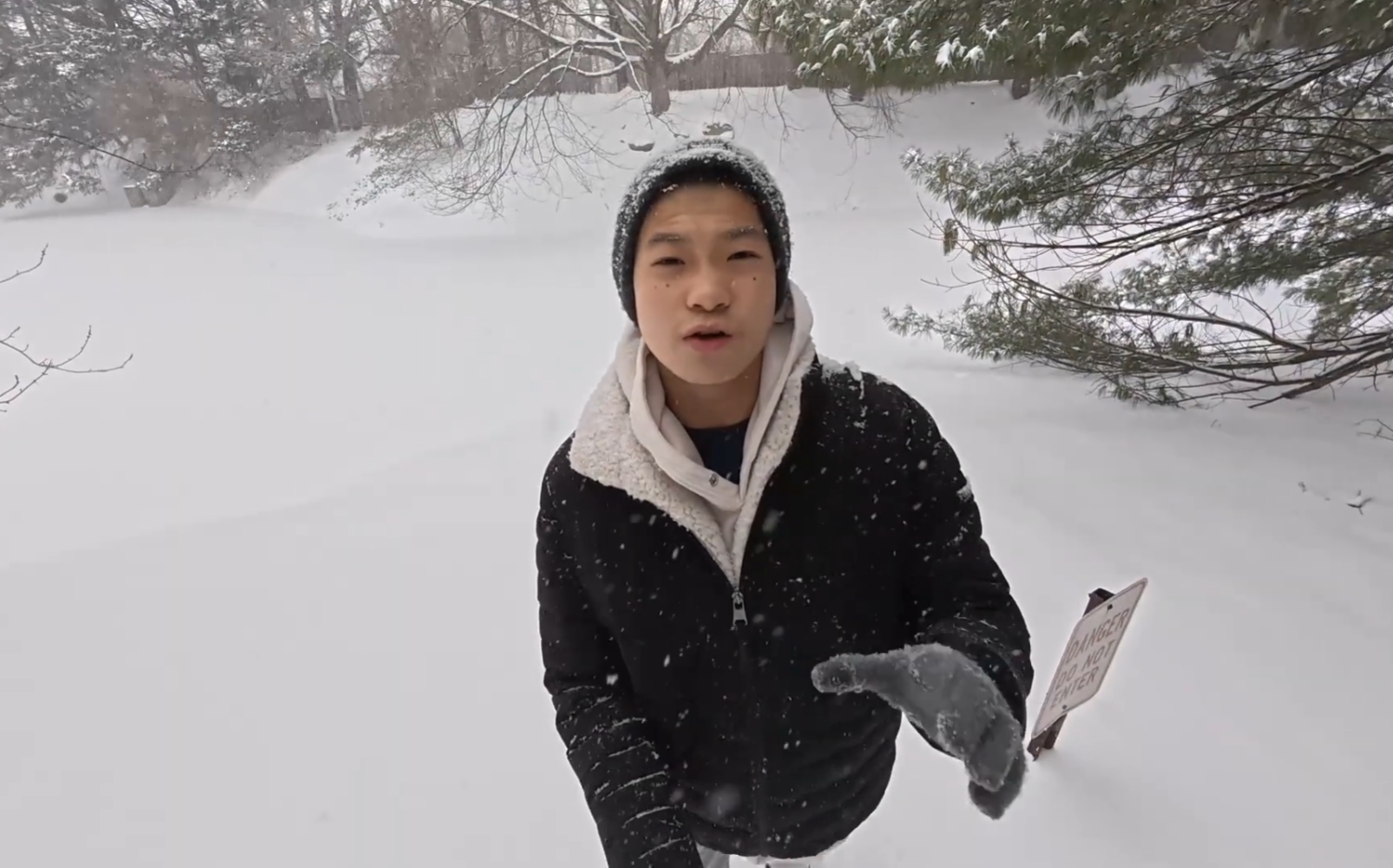
Weather Central Weekly continued through winter 2026. A January 25 severe winter storm report and school broadcasts brought the original purpose of my forecasts into focus: helping people prepare.

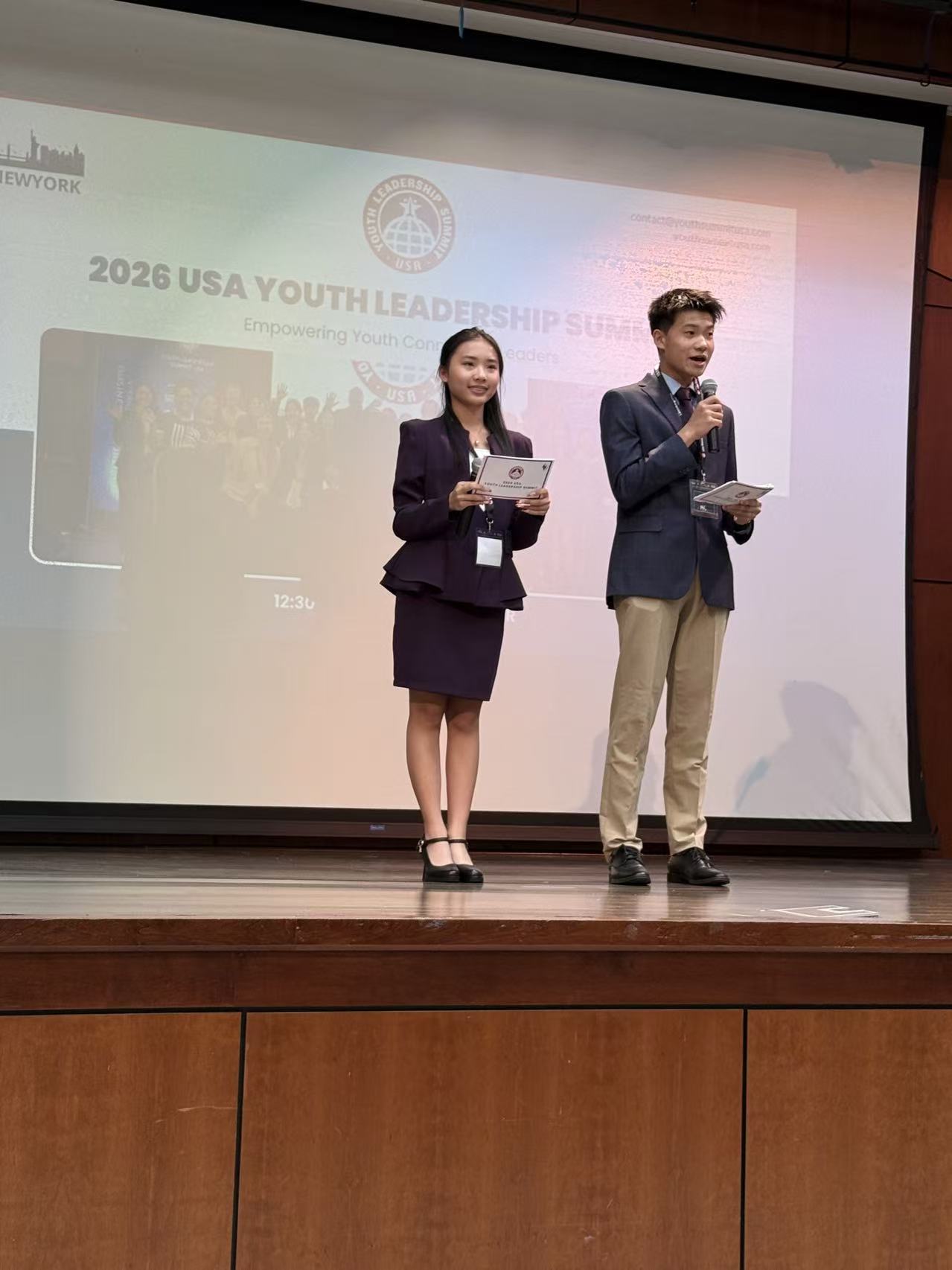
In 2026, I received the NATAS Mid-Atlantic Student Production Award in the Talent category. I was also recognized with Conestoga High School’s Junior Award of Excellence and a University of Virginia Leadership Award, became a National Merit Semifinalist, and served as an emcee at a youth leadership summit in New York City.

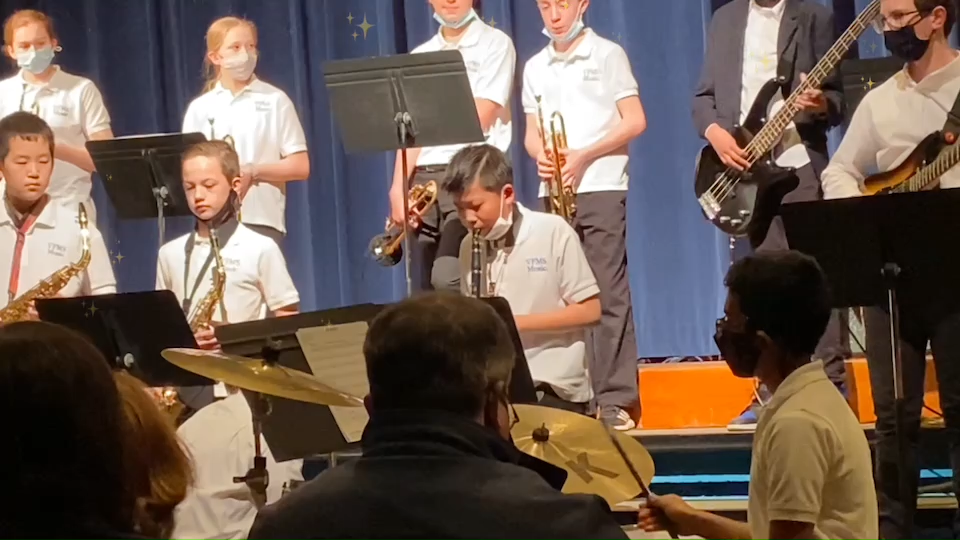
Outside research and broadcasting, music is part of how I spend time with others. Performing with a youth ensemble has taught me the value of listening closely and finding my place in a shared sound.
Youth ensemble performance